Saturday, October 27, 2012

October 27


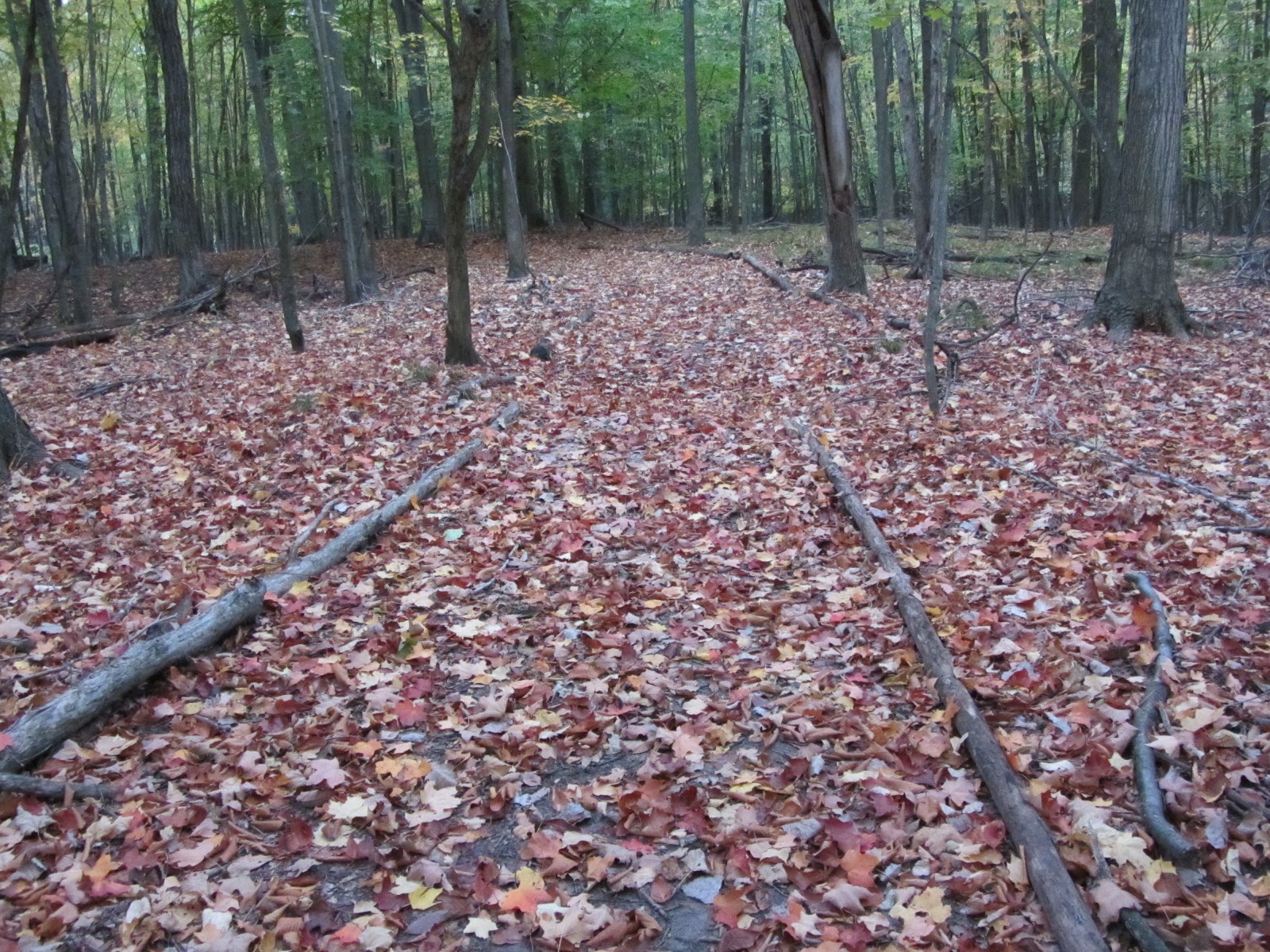
Saturday was a good day at Forest Hill for a hike with my dog, Remi. The early morning weather was partly sunny with a temperature of 34 degrees and no wind. Descending the hill, I had to sidestep a few Muskrat holes on the berm next to Mallard Marsh. I walked through Bobolink Meadow and came to the entrance of North Woods where I scared up five deer. Entering the woods, I noticed lots of American Beech trees with their smooth, gray bark and distinctive leaves. The harvested timber from this tree is used for rough lumber, flooring, plywood, and railroad ties. Beech wood is also used to make tool handles, baskets, veneer, and novelty items. The soft, reddish tinge of the wood makes it desirable for furniture. Also, I spotted a few leaves remaining on a Chinquapin Oak tree. I exited the woods and followed the trail to the far west side of Succession Field where I saw a few leaves left on a Red Oak tree. Native Americans used Red Oak bark for dysentery and chewed it to treat mouth sores; an infusion was taken to treat asthma. The wood was also used to make baskets, cooking tools and building materials. Colonists used Red Oak for firewood and to make woven chair bottoms and cooking tools. Leaves were used to wrap dough for bread making. Further along, I saw a few leaves still clinging to a large Pin Oak tree and a small White Oak tree. Native Americans boiled White Oak tree bark and drank the resulting liquid to curb diarrhea and to relieve the effects of bleeding hemorrhoids. White oak tree products helped induce vomiting, reduce fevers and served as antiseptics. I kept going and entered South Woods where I observed the dark scaly bark of a Black Cherry tree and the muscle-like bark of a Muscle Wood tree. Exiting the woods, I came to Artist Overlook where I was amazed a few days ago to see approximately a hundred ducks of unknown species erupting from Sora Swale. Next, I followed south trail where I noticed all the white berries were gone from a Gray Dogwood tree and all that remained were tiny red twigs. Further along, I saw a small Weeping Willow tree with a few leaves left on it. Some Native American tribes would lay willow limbs in the marriage beds of newly married couples in hopes that they would help ensure immediate fertility. They also made gifts from both the limbs and the bark of willows and presented them to brides on their wedding day as a symbol of their blessing upon the union. Continuing on south trail, I turned north at Frog Fen and climbed up Reflection Hill to gaze down on Grebe Pond where I spotted lots of swimming geese. Descending the hill, I crossed the boardwalk and noticed most leaves on a Black Willow tree were turning yellow. Finally, we passed the Classroom Building, came to the van and left for home.

October winds blow even stronger
Days are shorter. Nights are longer
Clouds are thick. Air is cold
Seasons are changing. Truth be told
North Woods is quite a sight
Displays of color in morning light
I look to trees above my head
Leaves of orange, yellow and red
Oak, maple, elm and beech
Colorful leaves out of reach
I look to the ground below my feet
Carpet of color is almost complete
A nature hike in the autumn chill
Sparkling frost covers the hill
I look all around this land
The fall vista is really grand

D. DeGraaf

Saturday, October 20, 2012

October 20


Saturday was a good day at Forest Hill for a hike with my dog, Remi. The early morning weather was drizzly with a temperature of 44 degrees and a slight breeze out of the west. Before getting started, I paused at the crest of the hill and gazed west at the ever-changing landscape. I descended the hill and was surprised to see and hear a few Redwing Blackbirds this time of year. Since our resident redwings have long since migrated, I suspect these are birds traveling from northern Michigan on their southerly migration. Continuing through Bobolink meadow, I could see that most of the Goldenrod flowers had gone to seed. I entered North Woods and followed the trail west where I saw the distinctive shredded bark of a Hop Hornbeam tree. Exiting the woods, I circled Succession Field where I noticed some Raspberry bushes with their colorful red leaves. I entered South Woods and hiked along the edge of Swanson Swamp where I spotted a few Prickly Ash trees. In order to get rid of toothaches, Native Americans chewed the bark of this tree. Many of them even crushed the bark and pasted it on their gums for relief. A poultice prepared with this bark blended with bear grease was used to treat external pains. An infusion obtained by boiling the bark was used to treat a wide range of ailments including gonorrhea, sore throat as well as rheumatism. Exiting the woods, I turned east and walked a short distance where I observed the still-green leaves of an Apple tree. Next, I turned north and hiked along the edge of Willow Wallow where I spotted nine noisy, male Mallards taking off toward the south, banking over Artist Overlook and heading west. Climbing up Reflection Hill, I looked down on Grebe Pond where I saw about three dozen geese resting from their fall migration. Also, I noticed the colorful, dense willow thicket to the south. I descended the hill, passed Frog Fen and Brady Cemetery before entering Native Grassland. Heading north, I could see the dark, bristly seed heads of dead Purple Coneflower. Also, I spotted a few migratory White-crowned Sparrows feeding on Goldenrod seeds. I followed the trail north around Grebe Pond and headed toward the barn where I spotted a few small Cottonwood trees. The Hopi, Pueblo and Navaho Indians made use of cottonwood branches in creating their prayer sticks. An individual’s prayer stick may even follow one to the grave. Cottonwood was also chosen as the sacred center pole in the well-known Sun Dance ceremony of the Plains Indians. At the barn, I turned and ventured to the dock of Grebe Pond where I recalled the excitement this week of school children catching and investigating pond critters. Next, I walked around to the east side of the barn to see a Red Mulberry tree. Choctaw Indian women spun thread from the fibrous bark of young trees and wove cloaks for themselves. Finally, we arrived at the van and took off for home.


I entered the woods and paused

In autumn trees the poets of October

The opaque fire of fallen leaf

Emeralds bled of blues to pale sulfur

Now dance with mizzle patter

And taunt the gaunt and tease the bare

Too helpless to resist
On cameos of burnished gold

And treetops yellowed by September

Cottonwoods like flowers fade

Deep furrows cut by scarlet plows

The mustangs of a setting sun

Before evening wears her velvet shawl

In quest of winter’s rest
My eyes harvest all the beauty

In the warmth of sun and nip of wind

And dewdrops on persimmons

A sodden moth with wings outspread

Stuck flat on orangey-red

Joins lifeless colors on the ground 

Reminders of the dead

Ed Keenan

Saturday, October 13, 2012

October 13


Saturday was a good day at Forest Hill for a hike with my dog, Remi. The early morning weather was cloudy, a steady rain with a temperature of 37 degrees and no wind. Descending the hill, I hiked past Mallard Marsh through Bobolink Meadow where I noticed a small Chokecherry tree north off the trail that still had a few green leaves. I entered North Woods and paused on the boardwalk to see a Slippery Elm tree and feel its “sandpapery” leaves. Native Americans used Slippery Elm in healing salves for wounds, boils, ulcers, burns, and skin inflammation. It was also taken orally to relieve coughs, sore throats, diarrhea, and stomach problems. It contains mucilage, a substance that becomes a slick gel when mixed with water. It coats and soothes the mouth, throat, stomach, and intestines. Continuing west along the trail, I looked closely at the colorful leaf litter. Exiting the woods, I circled Succession Field and entered South Woods where I walked along the edge of Swanson Swamp and stopped to pick a small green apple from an American Crabapple tree. I took a bite and even though it tasted very sour, it does make excellent jam due to its high pectin and acid content. Following the trail, I noticed a Shagbark Hickory tree. Native Americans used all parts of the tree and held it in high esteem. If a mother’s milk was not available, babies were fed hickory nut milk mixed with dried bear or deer meat. Hickory milk, made by boiling the crushed nuts, was an important item in the adult diet as well. Oil pressed from the nuts was used for cooking. Hunting bows were made from the wood and stone axe heads were bound to their handles by flexible, young hickory twigs. Next, I spotted some leaves of a Mockernut Hickory tree. Exiting the woods, I continued to Artist Overlook where I spotted a few green Pin Cherry leaves. Following the south trail, I observed four deer dart off from Sora Swale. At Frog Fen, I turned south toward Brady Cemetery where I was startled by a rooster pheasant that took off right next to the trail and headed north. At the entrance to Brady Cemetery, I noticed the Staghorn sumac leaves had turned a brilliant red. Entering Native Grassland, I saw the dried seed heads of Bergamot. I paused at Grebe Pond where nothing was stirring. Heading north toward the barn, I was amazed by the abundance of white aster blossoms. Next, I passed the barn and walked around to the west side of the Classroom to admire the Black Locust tree. Native Americans chewed the root bark of this tree to induce vomiting and to reduce toothaches. All parts of the tree are considered toxic, although beekeepers disagree about the honey's toxicity. Some deem it the best of honeys. Finally, we got in the van to dry off and took off for home.


October gave a party;
The leaves by hundreds came -
The Chestnuts, Oaks, and Maples,
And leaves of every name.
The Sunshine spread a carpet,
And everything was grand,
Miss Weather led the dancing,
Professor Wind the band.

George Cooper

Saturday, October 6, 2012

October 6


Saturday was a good day at Forest Hill for a hike with my dog, Remi. The early morning weather was mostly cloudy with a temperature of 43 degrees and a stiff breeze out of the northwest. I descended the hill to the west, hiked past Mallard Marsh through Bobolink Meadow where the Milkweed pods were bursting open to expose the silky, white seeds. Also, I wondered how our Bobolinks were doing on their lengthy migration to Argentina. Entered North Woods , I noticed the Poison Ivy leaves were changing colors. Continuing west, I recalled my surprise earlier in the week to see a young, spotted fawn lying next to the trail well beyond the breeding season. It appeared thin and weak and I didn’t think it would survive the night. However, the next day it was gone, hopefully back with its mother. Exiting the woods, I gazed south across Succession Field and saw how the birch trees on the edge of South Woods had turned yellow. I circled the field where I noticed leaves of Silky Dogwood shrub remained green. Entering South Woods, I walked along the edge of Swanson Swamp where I noticed some of the Witch Hazel trees were displaying their dainty yellow flowers. Sometimes called Winter Bloom, this plant was used by Native Americans to cure skin irritations and lung problems, and it is still cultivated today to produce a skin toner. Exiting the woods, I continued to Artist Overlook where I looked east and noticed patches of Gray Dogwood displaying their fall colors. I followed south trail where I spotted some scarlet red Virginia creeper leaves. At Frog Fen, I turned south toward Brady Cemetery where I noticed how the leaves of Red Osier Dogwood shrubs had turned a burgundy red color. I entered the cemetery and noticed the White Pine trees were shedding their yellow needles. I passed the gravestones to view the hidden container behind the huge Red Maple in the southeast corner that I had found several weeks ago while geocaching. I left the cemetery, walked through Native Grassland and paused at Grebe Pond where I saw three Mallards fly off. Heading north, I came to the barn and spotted a freshly killed Deer Mouse by the west entrance. Next, I walked to the north side where I noticed a Black Walnut tree with lots of husks hanging and on the ground. Walnut husks can be chewed for an upset stomach. When used in skin care or dental products, fine bits of husk offer gentle abrasive properties for toothpaste products and facial scrubs. I opened one of the husks to see some small white maggots called Walnut husk maggots. After feeding on the husk for 3 to 5 weeks, mature maggots burrow several inches into the soil to pupate. Most emerge as adult flies the following summer, but some remain in the soil for 2 or more years. Finally, we arrived back at the van and took off for home.


October days! How nature shouts,
so many ways

With bundled sheaves and rustling leaves,
in splendid blaze.

O, what sights! What nippy nights,

harbingers of change soon

To come, with frosty bites,

shivery delights, and harvest moon.


Winter will march on! A howling, blustery,

mountain king,

Scattering furry ones, scampering,
gathering quondam glean.


Pond and lake with icy sheen-

unlikely resting place,
For airborne tenacities and dancing

dervish lacy flakes.

Carolyn Head

Saturday, September 29, 2012

September 29


Saturday was a good day at Forest Hill for a hike with my dog, Remi. The early morning weather was mostly sunny with a temperature of 44 degrees and no wind. At the crest of the hill, I gazed to the west at the early fall foliage and decided it was time to pay attention to color changes of vegetation as green chlorophyll begins to disappear. I descended the hill, hiked past Mallard Marsh into Bobolink Meadow where I scared up four hen pheasants and one rooster. Near the entrance to North Woods, I noticed that all the leaves on a Green Ash tree had turned yellow and some of the leaves of Silver Maple were turning red. I walked west through the woods, exited and continued around Succession Field where I saw some Rose hips and Nannyberry fruit. Also, I noticed the unusual fruit of the Musclewood tree consisting of green chains of nutlets and bracts hanging from the branches. I entered South Woods where I noticed hickory nutshells and hulls on the boardwalk left by the squirrels. Hiking along the edge of Swanson Swamp, I saw that the Witch Hazel Trees had clusters of seed capsules. When mature, these capsules will snap open and throw the seeds up to 20 feet from the tree. Exiting the woods, I continued toward Artist Overlook where I spotted a Wooly Bear Caterpillar crawling on the path. This amazing creature will overwinter in this stage and turn into a Tiger Isabella Moth next spring. I turned north back toward Willow Wallow where I paused to observe a small patch of a new plant, called Northern Willow herb. A tea made from the entire flowering plant was used to treat colds, fever, anorexia, indigestion, gastric troubles and internal bleeding. The fresh plant, often used as an expectorant and analgesic, made it useful in the treatment of cold and flu symptoms. I kept going along the edge of the pond where I scared up five Mallard ducks. Next, I climbed up the east side of Reflection Hill, walked around and descended the south side heading for Brady Cemetery. I came to the cemetery where I counted a dozen Canada Geese standing in the neighbor’s plowed field. I continued on the trail through Native Grassland past Grebe Pond and headed north toward the barn. Arriving at the barn, I spotted some Foxtail grass. Foxtails seeds (awns) can cause problems for pets. They can easily attach to the animal and because of their shape can penetrate deep into the body. They have the potential to cause serious infection and irritation. I passed the Classroom Building where I spotted some Smartweed along the east side. Finally, we entered the van for our journey home.


Clues of autumn are all around
Colorful leaves are raining down
Yellow goldenrod fills my view
Meadow’s changing color and hue
Aster blossoms are a lovely sight
They dot the field in shades of white
Birds gather and soon depart
Their journey south is about to start
Chorus of crickets is a welcome sound
They hide well, they can’t be found
Vernal ponds are empty once more
Spring rains will help them restore
Squirrels are busy doing their thing
They gather food to last till spring
Mighty sun continues to shine
Daylight hours rapidly decline
Lots of nature to remember
As I bid farewell to September

D. DeGraaf


Sunday, September 23, 2012

September 23


Saturday would have been a good day at Forest Hill for a hike with my dog, Remi. However, we were returning from a trip and had to wait until Sunday. The early morning weather was sunny with a temperature of 39 degrees and a slight wind from the northwest. I paused to commemorate the start of the fall season and faced east to welcome the sun as yesterday it reached the autumnal equinox and began to warm up the southern hemisphere. Next, I turned, faced west to view the landscape and then walked down the hill to Mallard Marsh where I noticed that many of the brown cattail seed heads had burst open to reveal the fluffy white seeds. Native Americans used these seeds to start fires, fill blankets as well as stuff pillows and diapers. I continued through Bobolink Meadow and approached the entrance to North Woods where I noticed a maple tree with leaves with black spots. This condition is known as tar spot, a disease caused by a fungus that infects maple as well as box elder. This disease is usually a cosmetic problem and does not affect the long-term health of the tree. Heavy infections can cause premature leaf drop. Next, I turned south, walked by Willow Wallow and began circling Succession Field where I saw an unusual growth on an oak leaf called a Woolly Oak Leaf Gall. This abnormal plant tissue is due to the feeding of the larvae of cynipid wasps. Even though they are wasps, they do not sting or pose any danger to humans. In fact, these wasps are so small they are not likely to be noticed, as they resemble gnats. Hiking along the trail on the far western boundary, I spotted an fuzzy caterpillar eating a leaf. Next, I paused at Artist Overlook where I heard a Wood Duck in Sora Swale. Following the south trail, I observed as least 100 Canada Geese flying in several formations from east to west. I came to Frog Fen, turned north and began my climb up Reflection Hill where I spotted some Wild Grape leaves with an odd looking growth called a Tumid Gall. Larvae of a small fly known as the grape tumid gall maker cause grape tumid galls, also called grape tomato galls. Also, I spotted a few Wild Raspberries that had not yet been eaten by the birds. Continuing to the top of the hill, I stopped to gaze at a quiet Grebe Pond. I descended the hill and walked toward the Classroom Building where I noticed some of the willow trees had unusual branch development called Willow Witches’ Broom. A number of stresses, both biological and environmental, can lead to the formation of brooms. Organisms such as fungi, mites and aphids can cause abnormal growth when they attack a host tree. Environmental stresses that injure the growing points of branches can also trigger the formation of brooms. Finally, we passed the classroom, came to the van, got in and headed for home.


Fall comes once again.

Frost begins creeping over

like icy shadows.


Leaves shed cool green gowns

in exchange for warm garments.

Red, orange, yellow.


Night lengthens itself.

The sun weakens, cowering

in its submission.


My mind relaxes.

Soft breezes caress my cheeks.

Fall is here, at last.


Judith Pordon.


Saturday, September 15, 2012

September 15


Saturday was a good day at Forest Hill for a hike with my dog, Remi. The early morning weather was sunny with a temperature of 45 degrees and no wind. I stood on the crest of the hill and scanned the late summer landscape to the west. Descending the hill, I passed Mallard Marsh and walked slowly through Bobolink Meadow where I saw lots of Heath Aster. In Latin, aster means star, the name also used by the Greeks for this flower. The "star-flower" was believed to be sacred to the gods and so wreaths of asters were placed on their altars. Aster leaves were burned to frighten away serpents in medieval Europe and roots were crushed and fed to bees in poor health. Although the early English name was "starwort," later the flower was named "Michaelmas Daisy" as it blooms around St. Michaelmas Day in September. I entered North Woods and followed the trail west where I spotted some colorful Jack-O-Lantern fungi growing next to a dead stump. Crossing over the boardwalk, I spotted several Beech Drops. Exiting the woods, I circled Succession Field and entered South Woods where I followed the trail along the edge of Swanson Swamp. I exited the woods and headed east where I saw some Flat-top Aster and Small-flower Aster. Next, I turned north and went toward Willow Wallow where I spotted New England Aster and Sky blue Aster. I walked past the pond and began to climb Reflection Hill where I was surprised to find a patch of Canadian Thistle in full flower this late in the season. I looked up to see a solitary crow perched high in a dead Ash tree calling out. At the top of the hill, I noticed a Honeysuckle shrub displaying unusual leaf growth referred to as Witches’ Broom. An aphid feeds on the plant causing leaflets to distort and fold up. The folded leaflets protect the aphids from hard rains, heavy winds, predaceous insects and contact insecticides. Numerous buds along a branch grow simultaneously, giving a bushy or broom-like appearance. Next, I got off the path and wandered east down the hill to find a Crab Apple tree with bright red fruit. I picked an apple and took a bite to savor the very tart taste. I returned to the trail and descended the hill south toward Frog Fen where I found some Rough Stink Bugs on willow leaves. I also spotted a grasshopper feeding on a wild grape leaf. Passing the cemetery, I entered Native Grassland and headed north to view a vacant Grebe Pond. Hiking along the edge of the pond, I made it to the barn where I spotted some Lamb’s quarter. The leaves and stems of this plant are edible so I picked off a leaf and ate it. It had a flavor like spinach or chard with an earthy, mineral rich taste. Finally, I passed the Classroom Building and came to the van as we ended another enjoyable hike.

When despair for the world grows in me

and I wake in the night at the least sound

in fear of what my life and my children’s lives may be,

I go and lie down where the wood drake

rests in his beauty on the water, and the great heron feeds.

I come into the peace of wild things

who do not tax their lives with forethought

of grief. I come into the presence of still water.

And I feel above me the day-blind stars

waiting with their light. For a time

I rest in the grace of the world, and am free.

Wendell Berry