Sunday, November 24, 2013

November 23


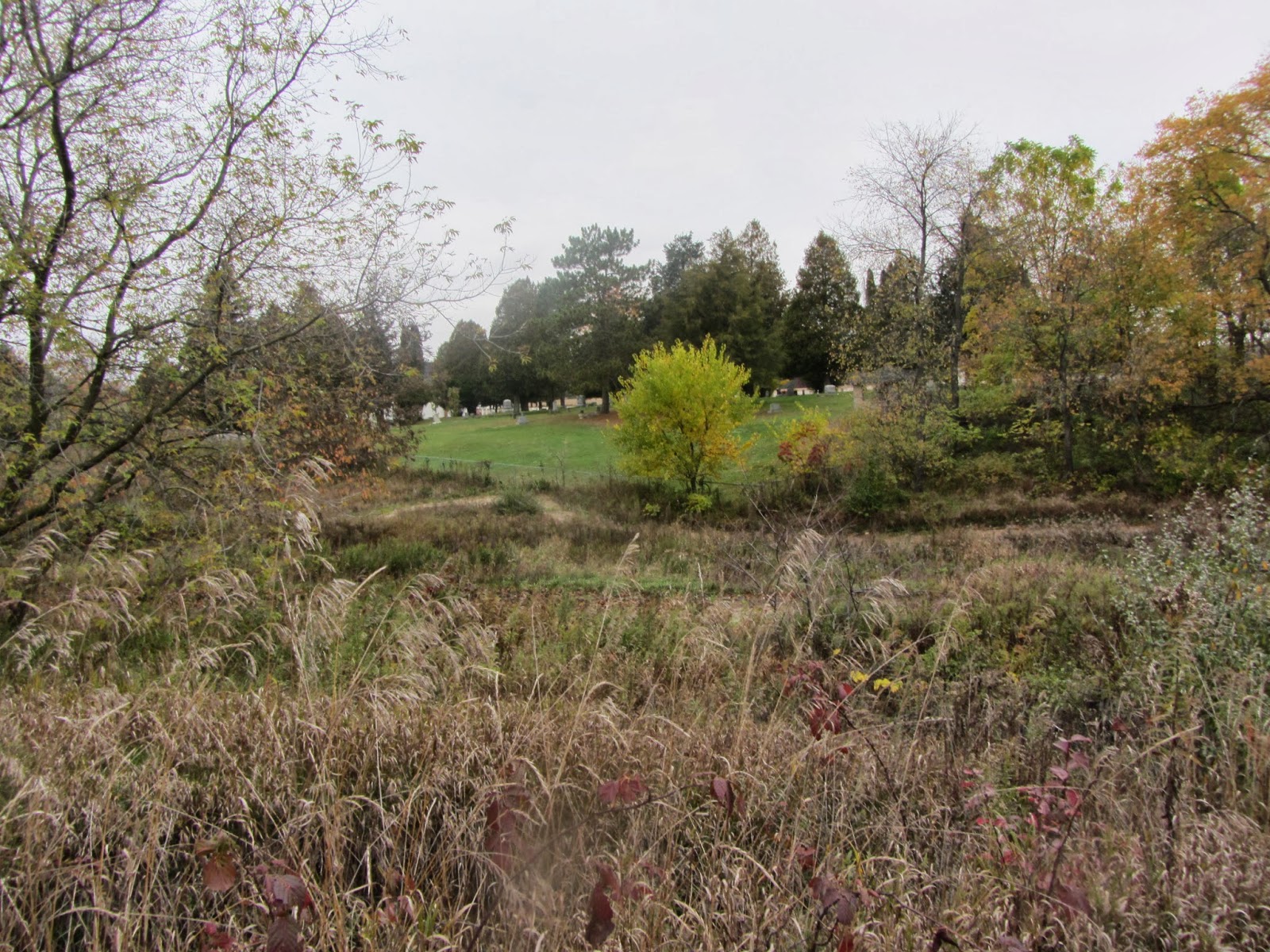
Saturday would have been a good day at Forest Hill for a hike with my dog, Remi. However, due to the continuing deer-hunting season, we stayed away from the Nature Area and drove up to Mt. Pleasant to hike along the Chippewa River in Chipp-a-Waters Park. The early morning weather was mostly sunny with a temperature of 23 degrees and a blustery northwest wind. A light overnight snow covered the ground while a gibbous moon was easy to see in a clear blue sky. I left the car and headed straight to the riverbank where I noticed a group of Canada Geese swimming down stream and a pair of Mallards along the far shore. Next, I began hiking along the edge of the river on a paved path of the Access Adventure Trail that is one of many impressive features of the Mt. Pleasant parks system. The first thing I spotted were my first deer tracks in the snow of the season. I paused on the bank to enjoy the sight and sound of rushing water. Further along, I noticed some Old Man’s Beard seeds were covered with snow. Following the path, I was amazed to see a huge trunk of a very old Cottonwood tree. I proceeded over a boardwalk where I could see a small frozen pond. Turning around, I retraced my steps where I observed a Beech tree still retained its leaves. Next, I crossed a bridge and paused to admire the view of this beautiful river. Continuing along the trail, I spotted the bright red fruit of Winterberry. Also, I noticed a solitary Hemlock tree. On both sides of the trail, I was saddened to notice several large Ash trees being killed by the Emerald Ash borer. Looking down, I could tell from the tracks that someone else and their dog had recently walked this way. Finally, we came to the car for our trip home.


Come, run the hidden pine trails of the forest
Come, taste the sun-sweet berries of the earth
Come, roll in all the riches all around you
And for once, never wonder what they're worth
The rainstorm and the river are my brothers
The heron and the otter are my friends
And we are all connected to each other
In a circle, in a hoop that never ends

Stephen Schwartz

Sunday, November 17, 2013

November 16


Saturday would have been a good day at Forest Hill for a hike with my dog, Remi. However, due to the potential danger of hiking at the Nature Area during rifle deer hunting season, we hiked in Pine River Park in Alma. The early morning weather was mostly cloudy with a temperature of 37 degrees and no wind. I exited the car and followed a paved trail west along the river where I noticed a few crab apples still clinging to a tree. The vegetation along the shore was alive with fluttering birds including: a Blue Jay, a Cardinal, a Downy Woodpecker, a few Nuthatches, several Juncos and even a Starling. Next, I paused to listen to a noisy female Mallard swimming near shore. Continuing west, I noticed a Weeping Willow tree still had lots of leaves. Further ahead, I spotted an abandoned nest of Bald-faced Hornets. I turned south away from the river and followed a path through a dense woods . The leaf litter at my feet first indicated Big Tooth Aspen and then Red Oak. I continued on a dirt path into an area called Conservation Park where huge Red Oak, White Oak and Sugar Maple trees towered over me. Passing the Girl Scout cabin, I followed a trail south where I saw some delicate British Soldier Lichens growing on top of a wooden fence post. Turning east, I spotted a few colorful blossoms of a Spindle tree. I followed a trail into a dense forest of evergreen trees including Spruce and Pine. The trail first meandered through a grove of White Spruce and then Red Pine where the ground was littered with cones and needles. Continuing to follow the path, I spotted a Scotch pine branch on the ground that had fallen from a nearby tree. Approaching the exit to the woods, the leaf litter showed a mixture of oak, maple, pine and aspen. I exited the woods and returned to the path along the river where I spotted a few bright red fruit of High bush Cranberry. I continued east and finally came to the car for our trip home.

Far away from the hunter’s gun
Run, river run
By light of the moon, light of the sun
Run, river run
Your journey’s not over, only half done
Run, river run
Keeping you clean is priority one
Run, river run
Ice flows have not yet begun
Run, river run
Walking beside you is lots of fun
Run, river run

D. DeGraaf

Sunday, November 10, 2013

November 9


Saturday was a good day at Forest Hill for a hike with my dog, Remi. The early morning weather was mostly sunny with a temperature of 43 degrees and a steady wind from the southwest. Today’s trek included my annual quest for chlorophyll. I planned to focus on the color of late autumn deciduous plants and leaves, especially those that retained the color green. At the crest of the hill, I gazed over a mostly green-less landscape. I descended the hill to Mallard Marsh where I noticed a single thistle plant and a few stalks of Reed Canary grass still showed some green. Entering Bobolink Meadow, I scared up four hens and one rooster pheasant. Up ahead, I noticed the trees of North Woods were completely bare. On the trail near my feet, I was surprised to still find a single dandelion blossom surrounded by a variety of green plants. At the entrance to North Woods, I spotted a single Goldenrod plant that was still mostly green. Also, a few tiny Wild Strawberry runners were still alive and green. Entering the woods, I headed west where I noticed a very green Christmas fern leaf on the forest floor. Continuing on the trail, I spotted several clumps of Nut Sedge that were still green as well as a few Wild Ginger leaves. Next, I paused at the vernal pond to admire my leafless surroundings. Continuing west, I spotted a few green Aspen leaves on the ground that must have just fallen. Exiting the woods, I couldn’t help but notice a few Autumn Olive leaves had not yet turned yellow. I hiked along the edge of Succession Field around the west end where I noticed a Buckthorn tree was the only one left that had not turned color. Also, a few Wild Rose leaves were still green. I turned east, walked through a corridor of leafless Birch trees and turned south into South Woods. Walking along the edge of Swanson Swamp, I wasn’t surprised to see some green vegetation near shore. Exiting the woods, I turned east where I saw a Wild Apple tree was still full of green leaves. Turning south, I paused at Artist Overlook to view Sora Swale. Continuing on south trail, I spotted a few green Wild Raspberry leaves. At Frog Fen, I turned south, passed Brady Cemetery and entered Native Grassland. The only thing still green was a few leaves of Mountain Mint. I paused at Grebe Pond to notice how the recent fall rains had filled it up again. Continuing toward the barn, I spotted a small patch of green duckweed along the east shore of the pond. Finally, we passed the Classroom and found the car for our homeward journey.

Farewell Chlorophyll
That colored leaves with green
Farewell Chlorophyll
That painted the summer scene
Farewell Chlorophyll
That made vegetation thrive
Farewell Chlorophyll
That kept plants alive
Farewell Chlorophyll
So maples turned red
Farewell Chlorophyll
So oaks turned brown instead
I long for spring of the year
Chlorophyll will reappear

D. DeGraaf

Sunday, November 3, 2013

November 2


Saturday was a good day at Forest Hill for a hike with my dog, Remi. The mid morning weather was partly sunny with a temperature of 41 degrees and a slight breeze out of the north. Today, I would focus on the ground beneath my feet as I would look on the trail for natural objects that indicated the season, surrounding vegetation and habitats. At the crest of the hill, I gazed west to see the meandering trail before me. I walked down the hill to Mallard Marsh where I easily recognized a dead cattail leaf and a dead stem of Reed Canary grass on the green grassy trail. Continuing through Bobolink Meadow, I was surprised to see a doe had stopped to look at me before she leaped off to join a buck. On the ground near the edge of the path, I spotted a thistle rosette and a decomposing milkweed pod with some of its silky white seeds. Approaching North Woods, I was not surprised to see the path covered with Silver Maple leaves since there was a stand of these trees near the entrance. I entered North Woods and headed west on the trail that was blanketed with a thick layer of Maple, Elm, Aspen and Beech leaves. I left the woods and circled Succession Field where I spotted one of several dead Goldenrod plants that had fallen over onto the trail. Leaves of Red Oak covered much of the far west trail. Turning east, I hiked through a stand of White Birch that had deposited most of its leaves on the trail. Entering South Woods, I followed the trail under a large White Oak tree that had shed most of its leaves. I walked along the edge of Swanson Swamp and came to the exit of the woods where I spotted a few haws on the trail near a stand of Hawthorne trees. The trail led past Artist Overlook along the edge of Sora Swale where a Bur oak leaf, a Swamp White Oak leaf and a Big Tooth Aspen leaf on the trail were clues that these trees were nearby. Also, small mounds of disturbed soil were signs of a burrowing Ground Mole. Following the south trail toward Frog Fen, I saw some fresh Spiny Puffballs and young Wild Carrot shoots near the trail’s edge. I turned south at Frog Fen, passed Brady Cemetery and followed the trail north through Native Grassland where I came to a grove of Box Elder trees that had dropped most of their leaves. I paused at Grebe Pond to watch a Blue Heron move from south to north over water that was no longer covered with green Duck Weed and Water Meal.. The trail followed the edge of the pond where some clover still sprouted. Also, a few Wooly Bear caterpillars crossed the path. As I approached the barn, I was surprised to hear a few Redwing Blackbirds calling to each other. Walking across the parking lot toward the car, I recalled earlier in the week seeing the last school bus of the fall leaving with a load of excited kids after another successful field trip season. Finally, we arrived at the car for our trip home.


Who will standup for nature?
With arguments and pleas
Who will speak for creatures?
Who will defend the trees?
Politicians and lawyers
Citizens of every kind
Must reach out to wildlife
They can’t be left behind
Laws must be enforced
Land must be preserved
More parks to establish
Space that is well deserved

D. DeGraaf


Sunday, October 27, 2013

October 26


Saturday would have been a good day at Forest Hill for a hike with my dog, Remi. However, today he stayed home and I hiked with nature guide, Ivan Palmer on his property on Caris Rd. south of Vestaburg. The mid-morning weather was mostly cloudy, rainy with a temperature of 41 degrees and a light wind out of the north. We began by walking on the edge of a neighbor’s woods where Ivan pointed out the remnants of a pine stump fence that used to be common around here in the 1800’s. The woods consisted of mostly large Red and White Oak trees along with some Sassafras. Next, we hiked on Ivan’s land where he showed me some of the rocks he has collected over the years. One of the most distinctive was Puddingstone which is a conglomerate of quartzite and pebbles of jasper including bright red ones. Michigan Puddingstones were formed a billion years ago in northeast Canada. They are a type of sedimentary rock which first formed in river channels. During the Ice Age, they were pushed down through Eastern Michigan from Ontario Canada by the glaciers. The white is quartz sand which has cemented itself together over millions of years. Other rocks in his collection include this Granite Gneiss and Granite colored by pink Feldspar. Next, we explored his brother’s property across the road where we spotted an abandoned nest of the Baldface Hornet hanging on a tree limb. The hornet collects cellulose from weathered and rotting wood, chews the wood adding its saliva, and takes this paste and makes a papery material to construct the nest. We also spotted some berries of a Maple leaf Viburnum shrub and woodpecker holes. Hiking through the woods, we saw lots of Pokeweed. The raw berries are edible for wildlife but not for humans as they cause vomiting and diarrhea. The rootstock is rich in saponins and can be used as a soap substitute. Some Native American tribes used Pokeweed as a Witchcraft Medicine, believing that its ability to totally purge the body by causing drastic diarrhea and vomiting would also expel bad spirits. Fruit was made into a red dye used in painting horses and various articles of adornment. Continuing our hike, we noticed that most of the dominant trees were Sugar Maple and American Beech. Near the end of the hike, we observed some fresh bracket fungi. Finally, we returned to the car for my trip home.


An aura of autumn
Before snows come
Where beside glades
Are colors and shades
Of scarlet and gold
Trees, young and old
Where frost of fall
Coats it all
In crystalline white
After a longer night
Morning sun’s glow
Nature’s first show

D. DeGraaf

Saturday, October 19, 2013

October 19


Saturday would have been a good day at Forest Hill for a hike with my dog, Remi. Instead, we hiked a trail next to the Seville Township Hall on Madison Road in western Gratiot County. The early morning weather was overcast with a temperature of 45 degrees and a slight breeze out of the west. We left the car and hiked south on a well-worn trail where I noticed a few blossoms of Spotted Knapweed along the edge. There were lots of deer tracks on the sandy path. Walking near a cemetery, I spotted a beautiful “pineapple pie” Coreopsis flower next to the trail. I imagined the plant grew from seeds blown from a gravestone decoration nearby. Entering a woods of Maple and White Birch, I was startled by a deer hunter sitting still with his bow perch about 20 feet up in a tree stand (can you see him with his red hat?) staring down at us. After greeting him, the dog and I continued our saunter. I crossed a drainage ditch and continued on the trail where I was surprised to see a few blossoms of Bouncing- Bet. Also called Sweet William or Soapwort, this plant was brought over by the colonists to be used as a soap substitute. When bruised or boiled in water, the leaves produce a lather with detergent properties that even removes grease. Moving along, I noticed most leaves had changed colors including Poison Ivy and White Oak. I came to a clearing and followed the trail as it turned east where I saw a few berries left on an Autumn Olive shrub. On my left were sand hills and hummocks where those with dirt bikes and four-wheelers had been frolicking. The trail turned back into the woods where I admired a stately Maple tree that had lost most of its leaves. Heading back to the start, I spotted a Mullein rosette with its velvety soft leaves. As a smoking herb, Mullein is a respiratory medicine and so smoking the dried leaves is one way to bring that medicine directly into the lungs. For recreational use, it is a soft, cooling, airy base for herbal smoking mixtures. Also, it is very mildly sedating. Finally, we found the car and left for home.


Cold day in October
Signs of fall appear
Leaves color the trail
Antlers on fleeing deer
Moving in the meadow
Wooly bears aren’t shy
Under scattered clouds
Geese cross the sky
Seedpods of milkweed
Burst with silky white
Glistening from frost
In the morning light

DeGraaf

Sunday, October 13, 2013

October 12


Saturday was a good day at Forest Hill for a hike with my dog, Remi. The early morning weather was sunny with some ground fog, a temperature of 45 degrees and no wind. Today, I would look for Mother Nature’s dark side, not the attractive rainbow colors of autumn, but the blacks and browns of death, decay and sometimes, living things. From the crest of the hill, I proceeded down the hill to Mallard Marsh where I was surprised to see a male Redwing Blackbird perched in the same spot that Max occupied during the spring nesting season and another one in the spot that Mark occupied. Since all the Redwings had left several weeks ago. I was unsure if they were the same birds and why they were there. I hiked through Bobolink Meadow where I noticed the flower heads of Queen Anne’s lace had folded up and turned black. I entered North Woods and headed west where I saw plenty of dark, decaying logs on the ground. Underneath the colorful leaf litter was dark, humus-rich soil. Next to the trail, I spotted an aging White Birch tree trunk covered with black fungus and lenticels. Exiting the woods, I circled Succession Field and turned east along the edge of South Woods where decaying Aspen leaves covered the trail. Following the trail through South Woods, I couldn’t help but notice the dark bark of a Black Cherry and Apple tree. I exited the woods, headed east and turned north toward Willow Wallow where I paused to watch several waves of noisy geese flying in formation high overhead. I walked east along the edge of the pond where I was again surprised to see a male Redwing perched in the same tree Will occupied months ago. Climbing Reflection Hill, I noticed some of the Goldenrod galls had turned dark including both the ball gall and bunch gall. At the top of the hill, I spotted a Honeysuckle shrub with blacken, “witches broom” galls. I descended the hill to the south and paused near Frog Fen to see and hear another male Redwing perched in Fred’s tree. Proceeding toward Brady Cemetery, I could still see the charred branches of a White Pine tree killed by a wildfire over a year ago. Passing the cemetery, I turned north into Native Grassland where the black seed heads of Purple Cone Flower punctuated the meadow. I paused at the edge of Grebe Pond where a dozen geese swam on the green surface. Continuing along the edge of the pond, I noticed a small Cottonwood tree whose leaves were turning black. Also, I heard a Redwing in the same tree where Gabe perched in the spring. Flying low above the meadow was a large flock of Redwings. At my feet, I spotted a black and brown, Wooly Bear Caterpillar. Arriving at the barn, I walked to the north side where I spotted a few rotting, blacken hulls of Black Walnuts on the ground. Finally, we passed the classroom and arrived at the car for our trip home.

Autumn marches onward
Nature sheds her green
Dark colors exposed
Falling leaves are seen
Meadow changes clothes
Frost touches the ground
Swallows leave the pond
Wooly bears crawl around
Plants cease to grow
Creatures have their way
Comes the colder night
Comes the shorter day

D. DeGraaf